
Micropiles
Cimentaterra: Experts in Micropile Installation
At Cimentaterra, we are specialists in offering high-quality foundation solutions, and we pride ourselves on being leaders in the installation of micropiles. If you are looking for an effective and versatile foundation solution, the micropiles They are the ideal option for you.
What are micropiles and what are their advantages?
The micropiles They are foundation elements of reduced dimensions, typically between 150 and 220
mm diameter. These structures have evolved significantly, becoming an option
Preferred for a variety of applications due to its versatility and efficiency. The micropiles They are ideal for projects where there are space and height restrictions, and where impacts on existing structures need to be minimized.
Among the advantages of micropiles Their adaptability is found, since they can be installed in almost any type of soil or rock. Additionally, they are ideal for small spaces and areas with limited access.
The micropiles They are perfect for underpinning the foundations of homes or other structures that have
suffered damage and are highly recommended for expansive soils such as clay.
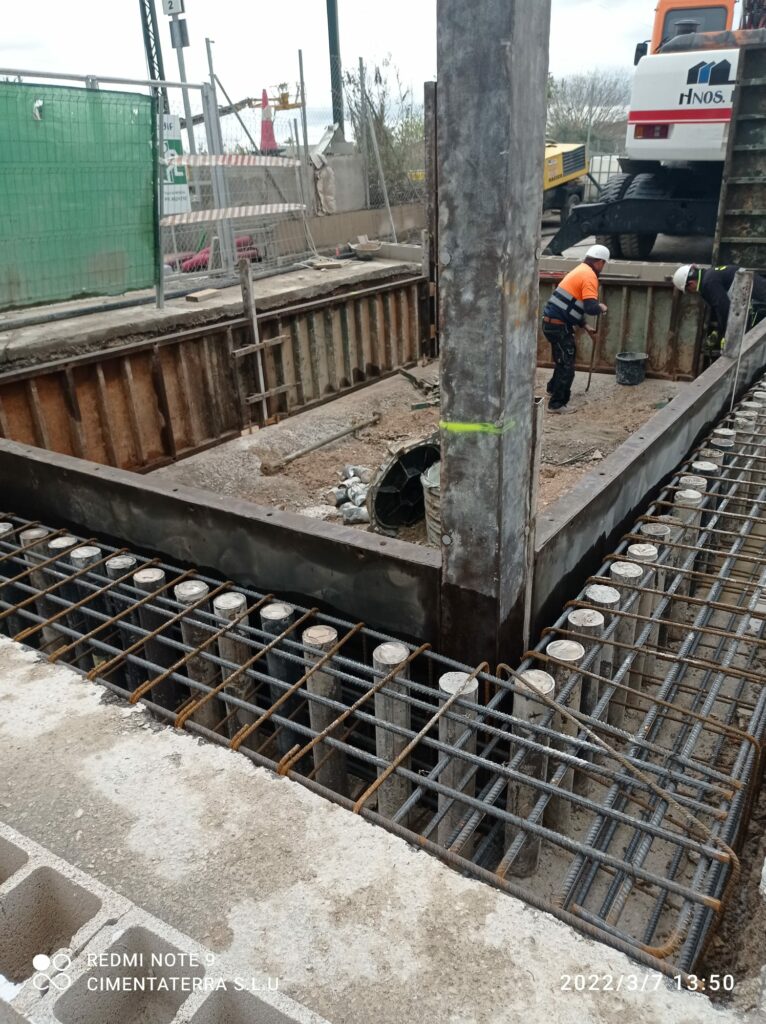

Guarantees and advantages when working with Cimentaterra for the installation of micropiles
Choosing Cimentaterra for the installation of micropiles means opting for a service that offers multiple guarantees and benefits. We offer you a detailed analysis and expert advice to determine the best solution for your project. We use the most advanced and effective techniques in the installation of micropiles, ensuring optimal results. We accompany you throughout the entire process, from planning to execution and post-installation monitoring and we adapt to the specific conditions of your land and the needs of your project.
In summary, Cimentaterra is your ideal ally for the installation of micropiles. Our experience, commitment to quality and focus on customer satisfaction make us the best option for your foundation needs. Contact us today for a quote
personalized and without obligation. At Cimentaterra, we are here to guarantee the success and safety of your project with the best micropiles From the market!
Advantages and guarantees
This technique is carried out “in situ” to secure the people working on the construction site and the surrounding roads and buildings.
Diaphragm walls provide security when creating deep foundations and provide many advantages due to cost savings and greater surface development.
Anchors with construction elements that help maintain the stability of the diaphragm walls, since the diaphragm walls receive significant forces from the earth and also the effects produced by water, so that this resource allows them to reinforce and ensure their stability.
